Role of reactive oxygen species and oxidative stress in the pathomechanism of glaucoma
Medical hypothesis discovery and innovation in ophthalmology,
Vol. 14 No. 4 (2025),
17 December 2025
,
Page 204-215
https://doi.org/10.51329/mehdiophthal1533
Abstract
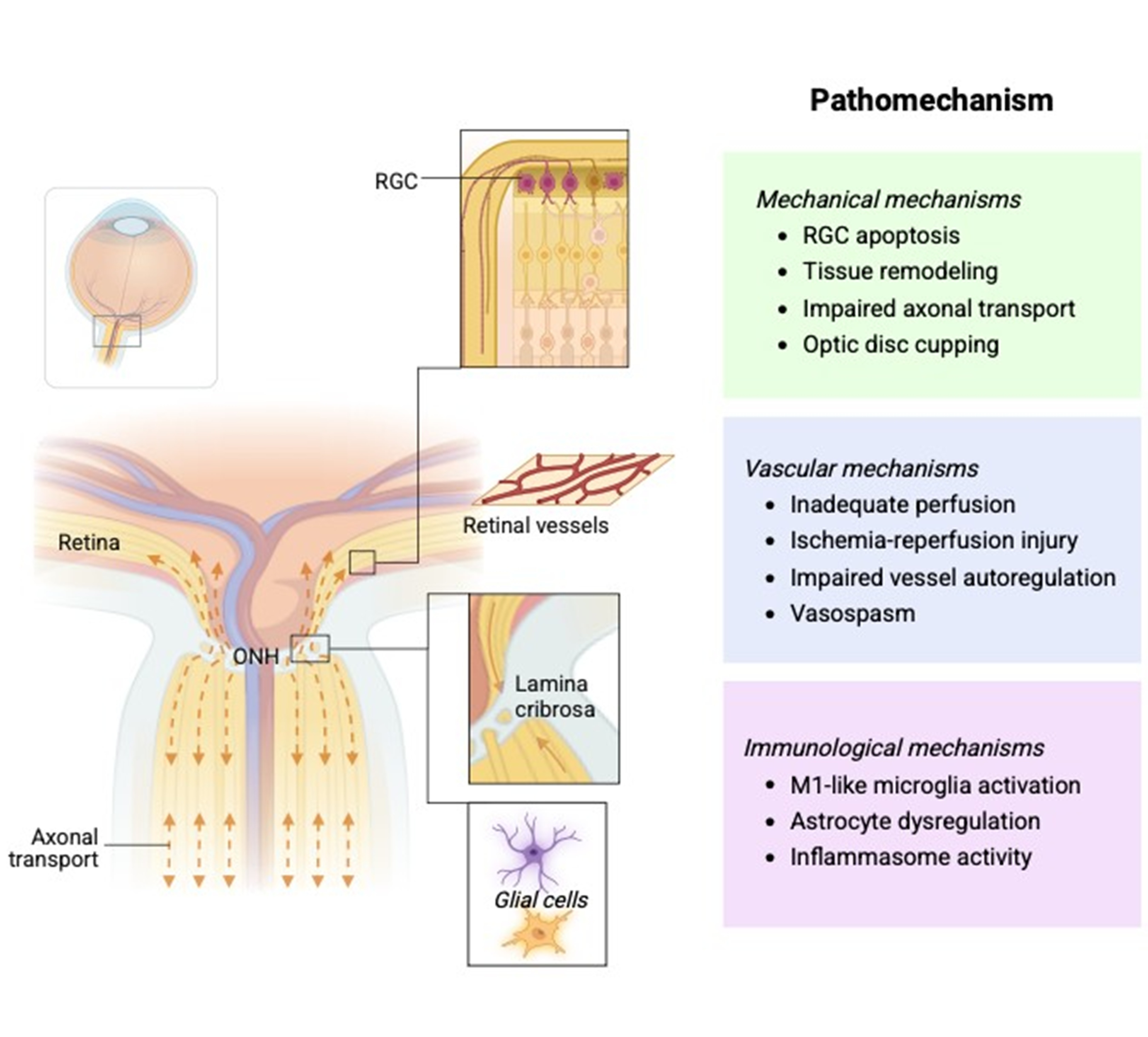
Background: Glaucoma is a major cause of vision impairment and blindness, characterized by damage to retinal ganglion cells (RGC) at the optic nerve head (ONH). The pathomechanism underlying glaucoma is heterogeneous and theories explaining the pathomechanism can be categorized as mechanical, vascular, or immunological. This mini-review explores the involvement of reactive oxygen species (ROS) and oxidative stress in these established mechanisms of glaucoma.Methods: A review of literature was conducted using PubMed/MEDLINE, with the query including the following keywords: “antioxidants”, “glaucoma”, “glaucoma pathomechanism”, “immunological”, “intraocular pressure”, “mechanical”, “reactive oxygen species”, “ocular hypertension”, “oxidative stress”, and “vascular”. The date filter was set from January 2010 to September 2025. Papers that were relevant to ROS or oxidative stress in the glaucoma pathomechanism were thoroughly reviewed. Their reference lists were also reviewed for relevant papers of any date.
Results: Following a comprehensive literature search, 67 journal articles were selected for review. They revealed the role of ROS and oxidative stress in the mechanical, vascular, and immunological pathomechanism theories of glaucoma. In the mechanical theory, oxidative stress mediates RGC apoptosis and trabecular meshwork damage. In vascular processes, retinal ischemia causes oxidative stress and vice versa, thus causing RGC death and ONH damage. With the immunological theory, ROS is implicated in glial cell and inflammasome activity that causes RGC injury. Key players in the generation of oxidative stress include NADP oxidase 2, dynamin-related protein 1, mitofusin 2, nuclear factor (erythroid-derived 2) like 2, and nitric oxide. Conversely, various antioxidant factors are also implicated in glaucoma, yet in oxidative stress conditions their effects are outweighed by those of ROS.
Conclusions: ROS and oxidative stress are important mediators in the glaucoma pathomechanism. They contribute to and unify the existing theories of mechanical, vascular, and immunological injury in glaucoma. Investigating specific oxidative stress players in the pathomechanism may reveal new therapeutic targets in the treatment of glaucoma.
- Abstract Viewed: 0 times
- Full Text PDF Downloaded: 0 times


